Three Tropes I’m Not Personally A Fan Of (But You Do You, Honey), And One Trope I Love
The title is – I hope – self-explanatory. These are all my personal opinions, and I understand that people have different aesthetics and preferences when it comes to their reading/viewing/listening material. Also, no one needs to listen to me because I’m not an authority on anything. But I’m hoping to start a conversation here, so feel free to comment below!
First, the bad:
- The narrator being unreliable simply for the sake of a plot twist.
I do love a good unreliable narrator (in fact, one of my upcoming works has one), but sometimes it gets taken too far. I’m gonna be real with you: this one was inspired by one book in particular – a thriller – that everyone else raved about. I was not a fan; it was thrilling and exciting up to a point, but the ending ruined the entire thing for me. You see, at the end of this (very popular) book, the narrator reveals to the audience that he has been lying about his identity (or, at least, his prior relationship with other characters) the entire time. Finding out the narrator’s true identity provides us with a hell of a twist, a real punch in the gut, a jaw-dropping surprise…one that, if you think about it, makes absolutely no sense. Maybe it’s because there’s no narrative conceit that suggests the narrator needs to lie. We’re not, for example, reading a character’s diary or letters that have been left behind to trick law enforcement. The narrator is not doing it out of self-preservation or because he benefits in any way from lying. In fact, no reason is given for why the narrator is telling us the story in the first place. Given that he seems to be telling us the story of his own accord – and given that he does eventually tell the truth without any concern for consequences – why does he bother lying in the first place? Not only that, but both the reason he gives for lying to his internal audience (that is, the other characters) and the reason he gives for why no one else catches him are, in my opinion, quite flimsy. In other words, the author seems to have concocted a highly unlikely scenario just to evoke that gasp moment. And you know what? That bothers me!
P.S. If you think you know what book I’m talking about, comment below!
2. That one thing that makes the character interesting.
This is something I’ve seen in several books recently, to varying extents. I understand the impulse: find something cute or unique that makes the character more complex. In fact, on the surface, it’s actually a great idea. Avoid those one-dimensional, cookie-cutter characters! But, as with the unreliable narrator above, it’s easy to take it too far. For example, in ACOTAR, Feyre’s enthusiasm for painting is something that makes her more interesting and more relatable to readers who have creative tendencies. But our author (love ya, SJM!) reminds us of this enthusiasm a bit too frequently. Indeed, even while in the throes of an incredibly tense and dangerous situation, Feyre mentions offhand how paintable the scene is. Sorry, but…if my life is literally in danger I’m not thinking about my hobbies.
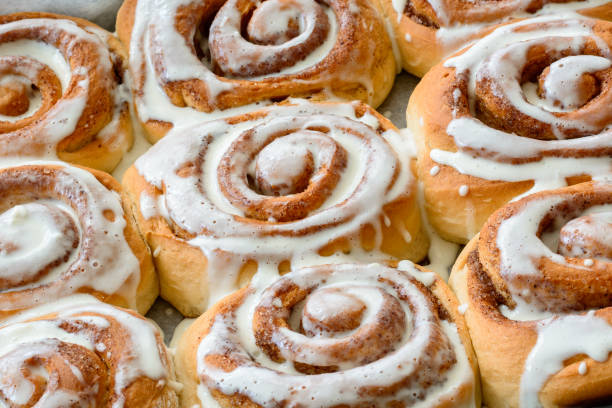
The worst culprit, however, is Taylor Jenkins Reid in Maybe In Another Life. It absolutely pains me to say this, because I LOVE Reid’s other works, and this one is a fun read too, but…WE NEED TO TALK ABOUT THE CINNAMON ROLLS. The protagonist has a thing for cinnamon rolls. This is mentioned early…and often. Again and again. Ad nauseam. There are only a few chapters that go by without mention of the protagonist’s love of cinnamon rolls. And I have to ask…TO WHAT END??? So it’s a quirky thing about the main character that her friends and lovers can use to bond with her, but it’s not that interesting (I mean, who DOESN’T like cinnamon rolls?). At the very least, it’s certainly not interesting enough for it to be brought up as often as it is. I was expecting, nay, hoping that there would be some big payoff for this weirdly superfluous and repetitive bit. Like, maybe at the end her boyfriend proposes to her by putting a ring in a cinnamon roll? Or maybe she gets lost, and her friends find her by going to the nearest cinnamon roll bakery because they know she won’t be able to resist making her way there when she smells that irresistible aroma? Nope.
So, to recap: yes, authors, you should imbue your characters with some interesting and unique characteristics and quirks. No, you do not need to bring them up constantly.
3. So. Much. Winking.
It’s one thing to have a character – or even a few characters – who wink every once in awhile because they’re mischievous/flirty/sassy jokesters. It’s another thing to have all your characters just, like, winking at each other constantly even in situations where it makes no sense. I read a book recently where one character winked at another in the middle of an extremely traumatic and serious situation (one of their friends was literally dying), after saying something bitterly sarcastic about the horrific thing that was occurring. That’s…that’s not how that works (cue Esurance commercial).
Now, for the good!
The trope I absolutely LOVE and that we DEFINITELY need more of is this: friends not becoming romantically involved, even when they easily could. It turns out that, contrary to what some people on the internet will tell you, men and women can just be friends. Full stop. I have many male friends. Even though I can objectively say that they are attractive, interesting, and lovable, I’m not developing romantic feelings about them (nor they for me, presumably). The same goes for same-sex friends who swing that way. I’m bisexual, and I have several female friends whom I find hot in every way (physically, intellectually, emotionally, spiritually, you name it!). And yet I’m perfectly satisfied just being friends with them.
I get that people like romance and sex in their books, and I’m not saying we should eliminate that aspect entirely (romance and sex are my favorite things to read about). It just doesn’t always have to be (for example) the protagonist’s childhood friend who’s secretly been pining for him/her for years. Those kinds of stories are fun and sexy, but it’s also nice to have representation of the idea that people – even hot, horny people – can relate to each other without sex being involved. One author who does this very well (perhaps mild spoiler?) is Jacqueline Fellows in The Sherangivan.
Alright, hit me up if you want to discuss! I look forward to your thoughts! I’m planning to write similar posts in the future, so stay tuned (and subscribe, if you want to).


 Reina Callier (Artes Reginae Press)
Leave a reply to clarelacy Cancel reply